Six hundred twenty-two answers from five models, measured with rulers instead of judges, and clustered blind — no model names, no question labels, nothing but the responses themselves. What emerged is not a ranking. It is a map of how each model responds to interrogative pressure.
Status: atlas seed622 native answersFive models · 22 question typesEmpty system · temp 0Rulers only
The Architecture Of Asking
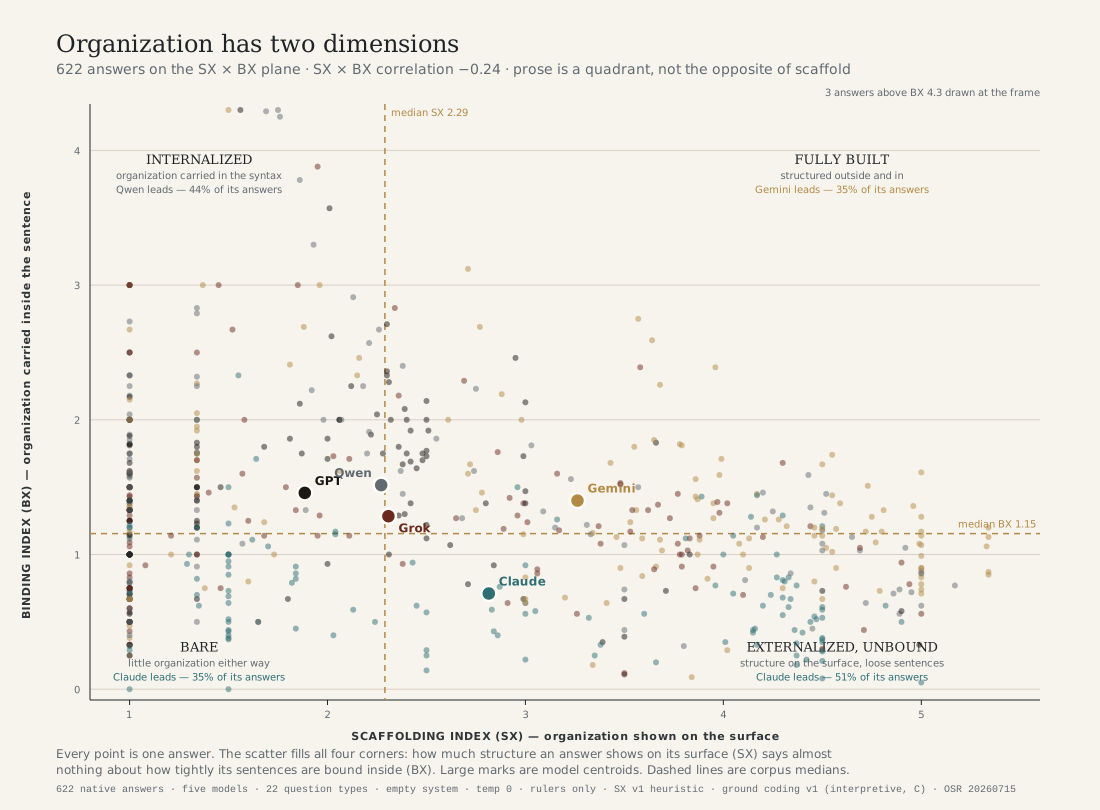
The first pass through the data shows that response architecture is not a simple prose-versus-outline rail. Surface structure and internal binding can separate. A response may show its organization in headings and bullets, or carry it inside the sentence work, or do both, or do neither.
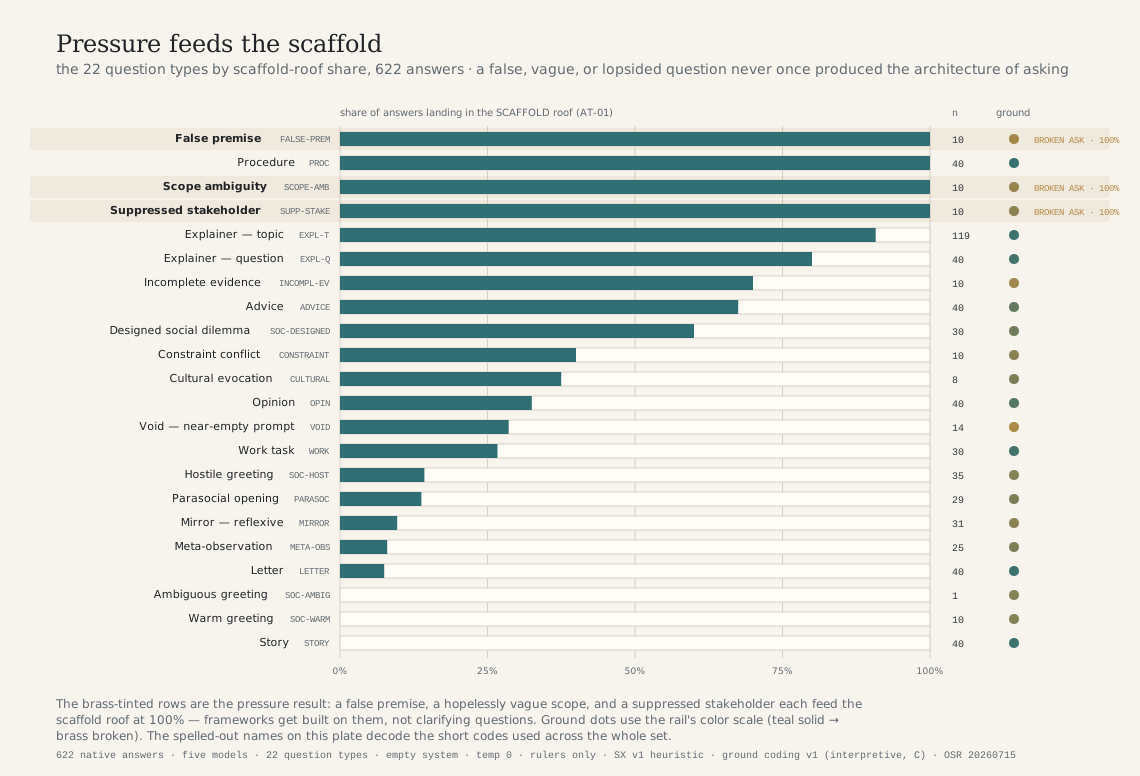
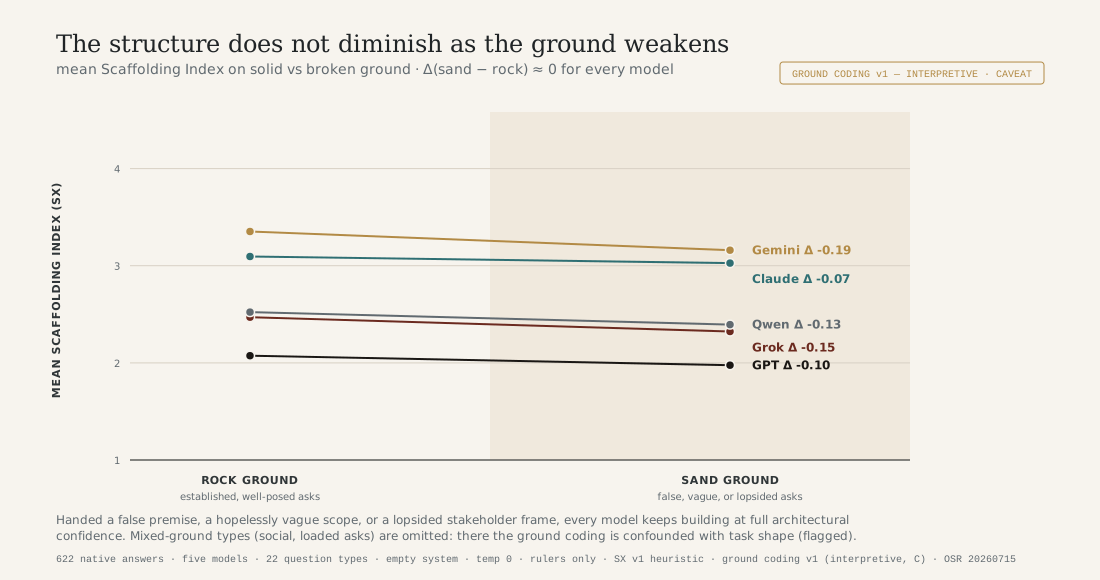
Structure can legitimize weak ground without becoming more careful about the ground.
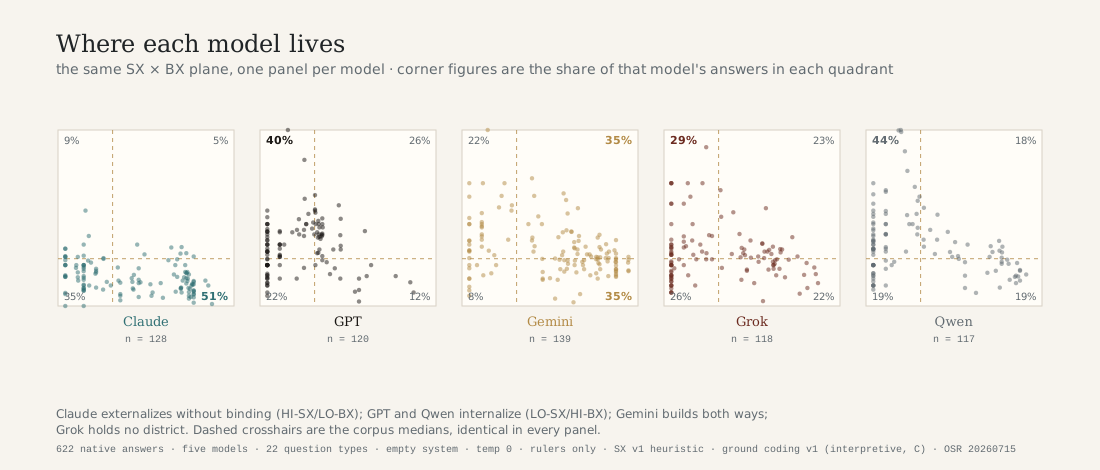
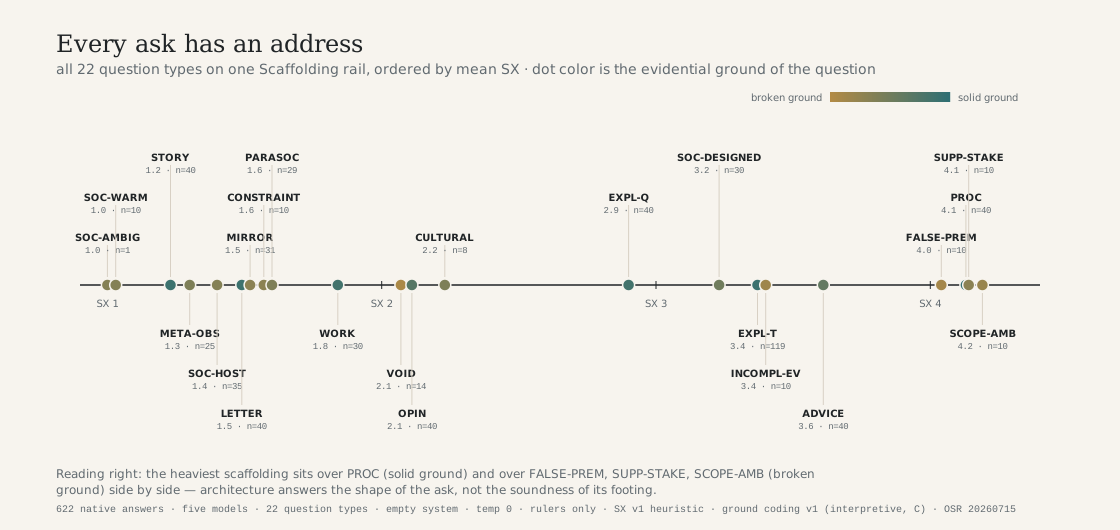
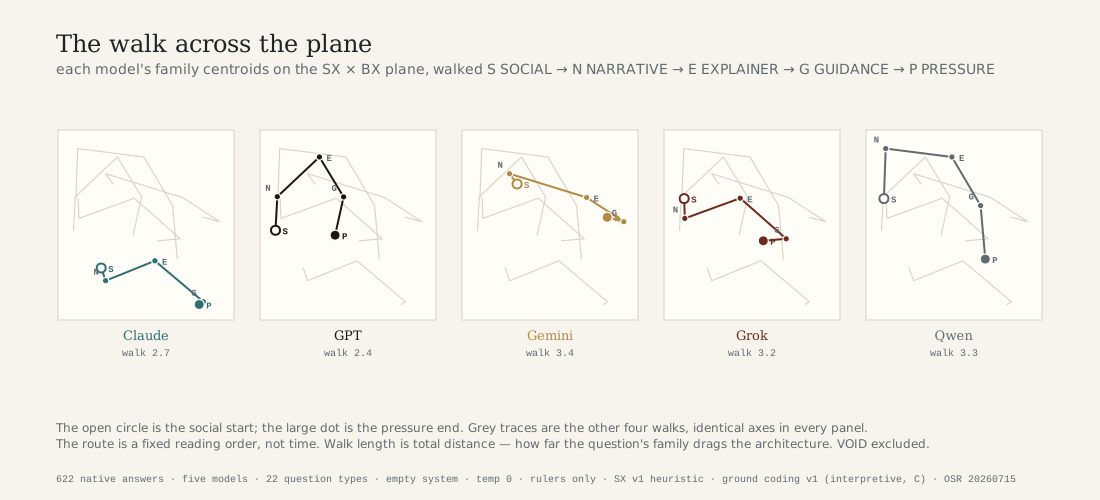
The plane. Organization has two dimensions. Scaffolding Index measures visible structure; Binding Index measures organization carried inside sentences. Prose is not the opposite of scaffold — it is one quadrant.Where each model lives. Every model visits every quadrant; what differs is where each one settles when the question does not force a choice.Pressure feeds the scaffold. Broken or ambiguous asks often receive frameworks, plans, and staged responses. This plate also serves as the code key for the rail.Every ask has an address. Procedure and broken pressure asks sit together at the heavy-architecture end: Response Architecture answers the shape of the ask, not the soundness of its footing.Scaffold on Sand. The flatness is the finding: organizational confidence does not diminish as evidential ground weakens.The walk across the plane. The question moves the model, and how far it moves becomes a stable signature of architectural gait.
Method Note
All answers were collected with an empty system prompt at temperature 0, one answer per model per question. Every measurement is a ruler — counts and rates computed from the text — with no model-graded judgments anywhere in the pipeline. Basins were found by k-means clustering on twenty features with the model and question labels withheld; the number of basins was chosen by silhouette, not by symmetry.
Basin designations are catalog numbers, named by their measured properties. The Scaffolding Index is a v1 heuristic, calibration pending; the ground coding is a v1 interpretive judgment. Both caveats travel with the plates.